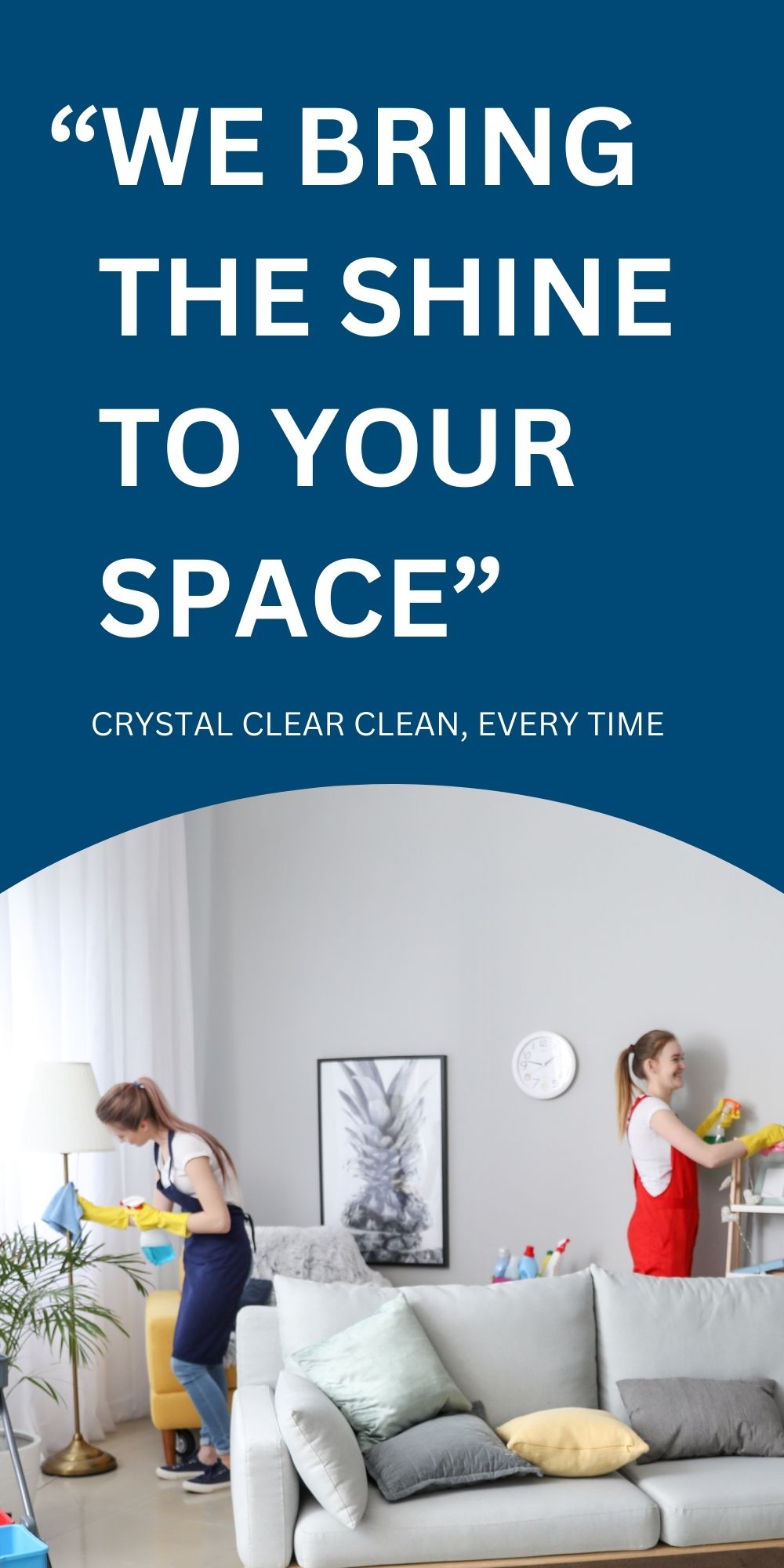

Spring has a way of making every corner of your house look worn out. The light changes, the windows show every smear, and suddenly the carpet you vacuumed last month looks dull again.
That’s exactly why a proper seasonal reset matters more than a quick tidy-up. If you’re searching for spring cleaning tips that actually make a difference, the trick isn’t working harder. It’s working through your home in the right order, room by room, so nothing gets missed and nothing gets done twice.
This home deep cleaning guide walks you through a practical, room-by-room approach that New Zealand households can follow without burning an entire weekend. And if the job feels bigger than your schedule allows, our Deep Cleaning Services in Manukau, South Auckland can take the heaviest tasks off your plate.
Planning Your Deep Clean: Room-by-Room Checklist Strategy
Before you touch a single cloth, spend ten minutes mapping out which rooms need attention first. A bit of seasonal room decluttering before you clean makes every other step faster, because you’re not cleaning around clutter.
Start with the rooms you use daily. Kitchens and bathrooms collect grime fastest, so they deserve priority. Bedrooms and living areas can follow once the high-traffic zones are sorted.
Work top to bottom in each room. Dust falls, so ceilings and shelves come before floors. This simple rule saves you from redoing work you thought was finished.
High-Priority Deep Cleaning Tasks for Every Living Space
Some jobs get skipped every single spring, yet they make the biggest visible difference once done.
- Wipe down skirting boards, light switches, and door handles
- Clean inside cupboards and drawers, not just their fronts
- Dust ceiling fans, light fittings, and curtain rails
- Wash windows inside and out, including tracks and sills
- Wipe down walls, especially near light switches and high-touch areas
None of these tasks takes long individually, but together they’re what separates a genuine interior home refresh from a surface-level dusting.
Deep Cleaning Heavy-Traffic Zones: Kitchens and Bathrooms
Kitchens and bathrooms hold onto grease, soap scum, and limescale in ways other rooms don’t, so they need their own focused approach.
In the kitchen, pull out the oven racks and soak them while you tackle the oven interior with a paste of baking soda and warm water left overnight. Degrease the rangehood filter, wipe down cabinet fronts, and clean behind and underneath appliances where crumbs and dust build up unnoticed.
In the bathroom, tackle grout lines with a stiff brush and a vinegar-based solution to lift mould and soap residue. Descale the showerhead and taps, and give the extractor fan a wipe since dust buildup there reduces airflow and invites mould.
Carpet, Upholstery, and Soft Furnishings Restoration
Soft furnishings trap far more dust, allergens, and odours than most people realise, even with regular vacuuming.
Deep Vacuuming, Steam Cleaning, and Mattress Sanitisation
Move furniture and vacuum underneath, then steam-clean carpets and upholstered furniture to lift embedded dirt that regular vacuuming can’t reach. Mattresses deserve the same treatment twice a year: vacuum both sides, sprinkle with baking soda, leave for an hour, then vacuum again to lift trapped moisture and odour.
Refreshing Air Quality: Cleaning Heat Pumps, Filters, and Vents
Dirty filters quietly undermine everything else you clean. Remove and wash heat pump filters, wipe down external units, and vacuum vents and returns throughout the house. This single step often does more for air quality than any other task on the list, and it’s a core part of genuine eco-friendly cleaning tips NZ households can put into practice without harsh chemicals.
Establishing Daily Habits to Maintain a Freshly Cleaned Home
A deep clean only pays off if small daily habits keep the grime from building back up.
- Wipe kitchen benches and stovetops after every use
- Do a five-minute nightly tidy of shared living spaces
- Air out bedrooms each morning to reduce moisture and odour
- Deal with spills and stains immediately rather than letting them set
- Run extractor fans during and after cooking or showering
These small routines stretch the results of your spring clean well into summer, so you’re not starting from scratch again in a few months.
Frequently Asked Questions
How often should household carpets and mattresses undergo steam cleaning?
Twice a year is generally enough for most households, though homes with pets, allergies, or young children may benefit from steam cleaning carpets and mattresses every three to four months.
What natural cleaning alternatives work best for removing tough limescale?
A vinegar-and-water solution left to sit for 15 to 20 minutes before scrubbing works well on taps, showerheads, and tiles. For stubborn buildup, a baking soda paste adds gentle abrasion without scratching most surfaces.
How long does a full home spring cleaning usually take to complete?
A thorough clean of an average three-bedroom home typically takes one full weekend when done solo, or a single day when tasks are split between household members or handled by a professional team.
What areas are most commonly forgotten during a seasonal home deep clean?
Skirting boards, extractor fans, behind and under appliances, curtain rails, and heat pump filters are the areas most often skipped, even though they collect some of the heaviest dust and grime in the house.